
How a Body Scrub Prepares Your Skin for Cooler Weather
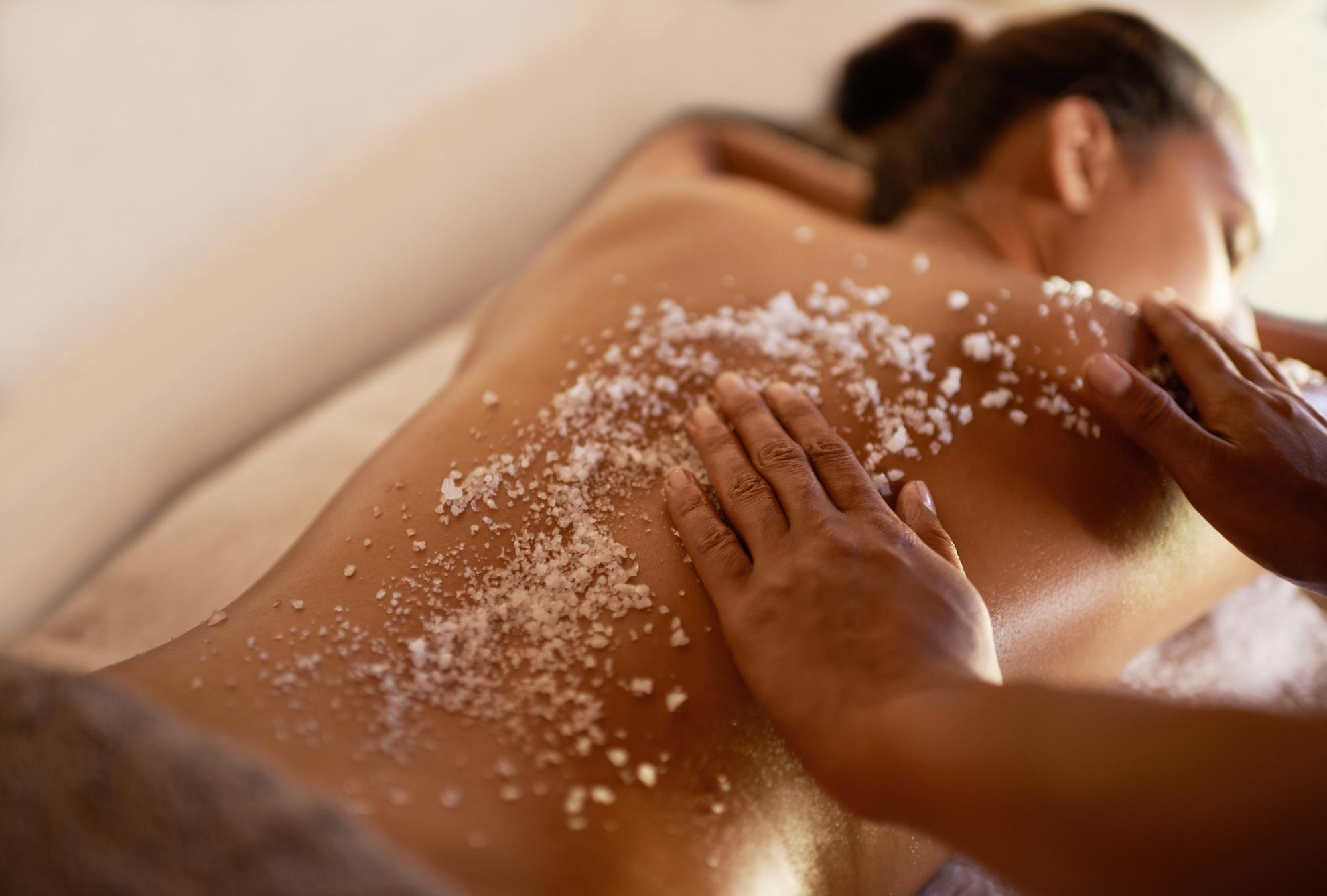
A body scrub clears away the dead surface layer that blocks pretty much everything you put on after it. That layer builds up fastest once the air starts drying out, which is kind of why autumn is the moment for it. Put plainly, the moisturizer you’ve been using since June has mostly stopped reaching your skin at all.
We’ve treated bodies through this turn in the weather since 2002, working as a skilled spa in Pittsburgh out of our destination day spa in Aspinwall. Our therapists open every body session by asking where your own dryness shows up first, since it’s honestly different for everyone. Run a fingernail lightly along your shin this week and see whether it leaves a pale line.
What Cooler Air Actually Does to Your Skin
Skin holds water in its outermost layer, and that layer depends on the humidity around it just to stay soft. Once the temperature drops and the heat clicks on, the air turns drier than your skin can really keep up with. That’s true on both sides of your front door, by the way.
Moisture leaves faster than it’s replaced, so the surface cells stiffen up instead of shedding the way they’re supposed to, and they just sit there and stack. That stacked layer is really the problem, because it acts like a lid. Lotion sits on top of it and mostly evaporates before it does much good.
People end up reapplying twice as often for half the effect, then assume they need something heavier. They usually don’t, though. The barrier underneath is normally working just fine, and clearing the top is what lets whatever you already own start working again.
Where a Body Scrub Fits in the Seasonal Shift
Exfoliation is the step that removes that lid, which is why we treat a scrub as the opening move of the cold season. Lifting the dulled surface does two things at once: it leaves skin able to actually absorb oils and creams, and it restarts the shedding rhythm that cold air tends to slow down.
Knowing how a body wrap differs from a scrub makes it a lot easier to pick the right starting point this time of year. The change usually shows up first on shins, elbows, forearms, and the tops of the feet.
Timing is the part people get wrong, because a scrub does its best work as a reset at the front of the season, not an emergency fix later. A lighter habit at home carries it from there. Used in January instead, it arrives after the skin has already cracked, which is a bit late. Book it while the weather’s still mild, and the next three months get noticeably easier.
Inside Our Hungarian Back Ritual
Backs get ignored, which is sort of exactly why they need the attention. Our signature back treatment opens with warm paprika-infused steam, and the steam softens the surface before anything abrasive even touches it.
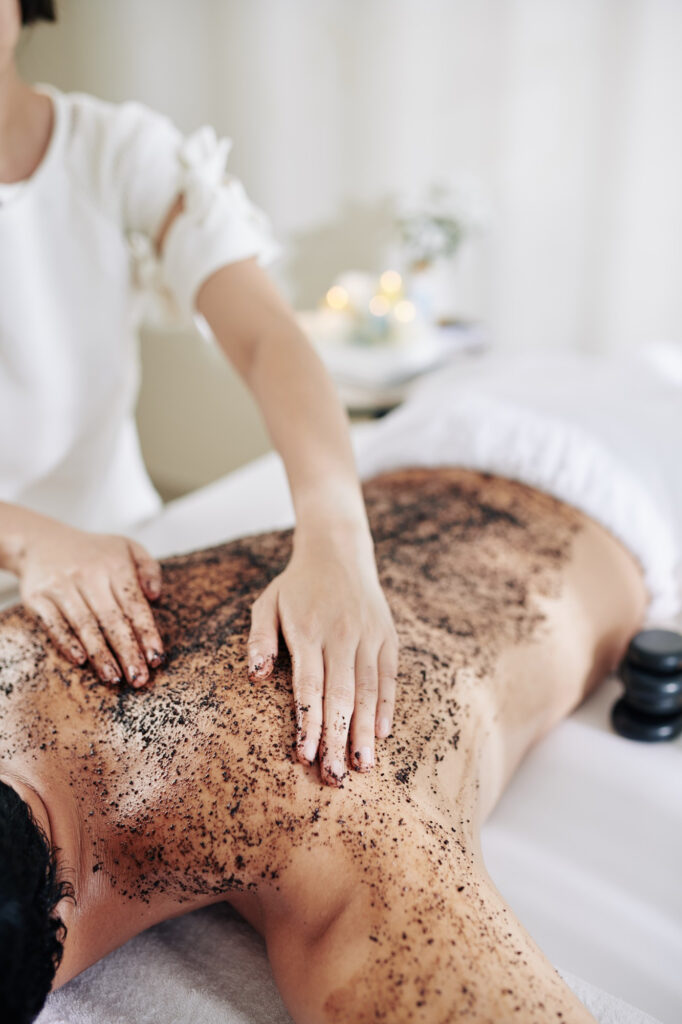
Then comes a slow exfoliation with ground apricot and volcanic clay, worked across the shoulders and down either side of the spine. A lot of the benefits of an organic body scrub show up fastest on skin that’s been starved of humidity all month, and this is where you really notice it.
The session closes with a cocooning Hungarian thermal mask, and honestly, that’s the part guests talk about afterward. The mask holds heat against the area while the cleared skin takes in whatever’s applied next. Your therapist finishes with a hydrating layer, then tells you what to use at home and how often.
Noticed your shins or elbows are already getting rough this week, even before the real cold hits? Give us a call at (412) 782-3888, and we’ll figure out the right scrub for you before it turns into a bigger problem.
Pairing a Scrub With a Wrap or a Massage
Most guests book a scrub as part of something longer, and the pairing changes what they actually get out of it. Our body wraps and scrubs menu covers both, and the two do pretty different jobs, so it’s worth choosing deliberately instead of just by price. It really just depends on what your skin needs that week.
| Treatment | What it does | Best for | Typical pairing |
| Body scrub | Clears the dulled surface layer | Rough shins, elbows, dry forearms | Before a massage |
| Contour wrap | Mineral muds and plant oils on tired muscle | Post-travel, post-training weeks | On its own or after a scrub |
| Scrub then wrap | Clears, then feeds the cleared skin | The first cold-season reset | A full afternoon |
Order matters when you combine them. A scrub before a massage means the oils actually reach the skin instead of sitting on top of it, and the therapist gets a smoother surface to work against too.
A wrap after a scrub lands deeper for that same reason. If tension is the real reason you’re booking, massage for school-run stress is probably the better starting point, but if you’re only doing one this season, our therapists will tell you which suits your skin once they’ve had a look.
Timing Your First Scrub of the Season
Late September through mid-October is the window we point people toward. It sits ahead of the first real cold snap and ahead of the holiday rush, and honestly, the appointment is just easier to get right now too. Our body rooms start filling with event bookings in early December, and the calendar tightens up considerably after that.
Frequency after that is pretty modest. A professional scrub every four to six weeks through the cold months suits most people, supported by gentle exfoliation at home once or twice a week.
Anything more aggressive works against you, since over-exfoliated skin in dry air ends up more fragile, not smoother. The same seasonal thinking sits behind trying waxing in fall, if that’s on your list too.
Booking online shows the body room openings for the coming weeks, so you can put the reset somewhere sensible instead of hoping for a gap later.
Have questions about which scrub fits your skin, or just want to lock in a spot before the calendar fills up? Book an appointment, and we’ll walk you through it. We’re open Monday through Thursday 10 am to 6 pm, Friday and Saturday 9 am to 5 pm, and Sunday 10 am to 5 pm.
Related Topics: