Why More Pittsburgh Locals Are Switching to Organic Facials
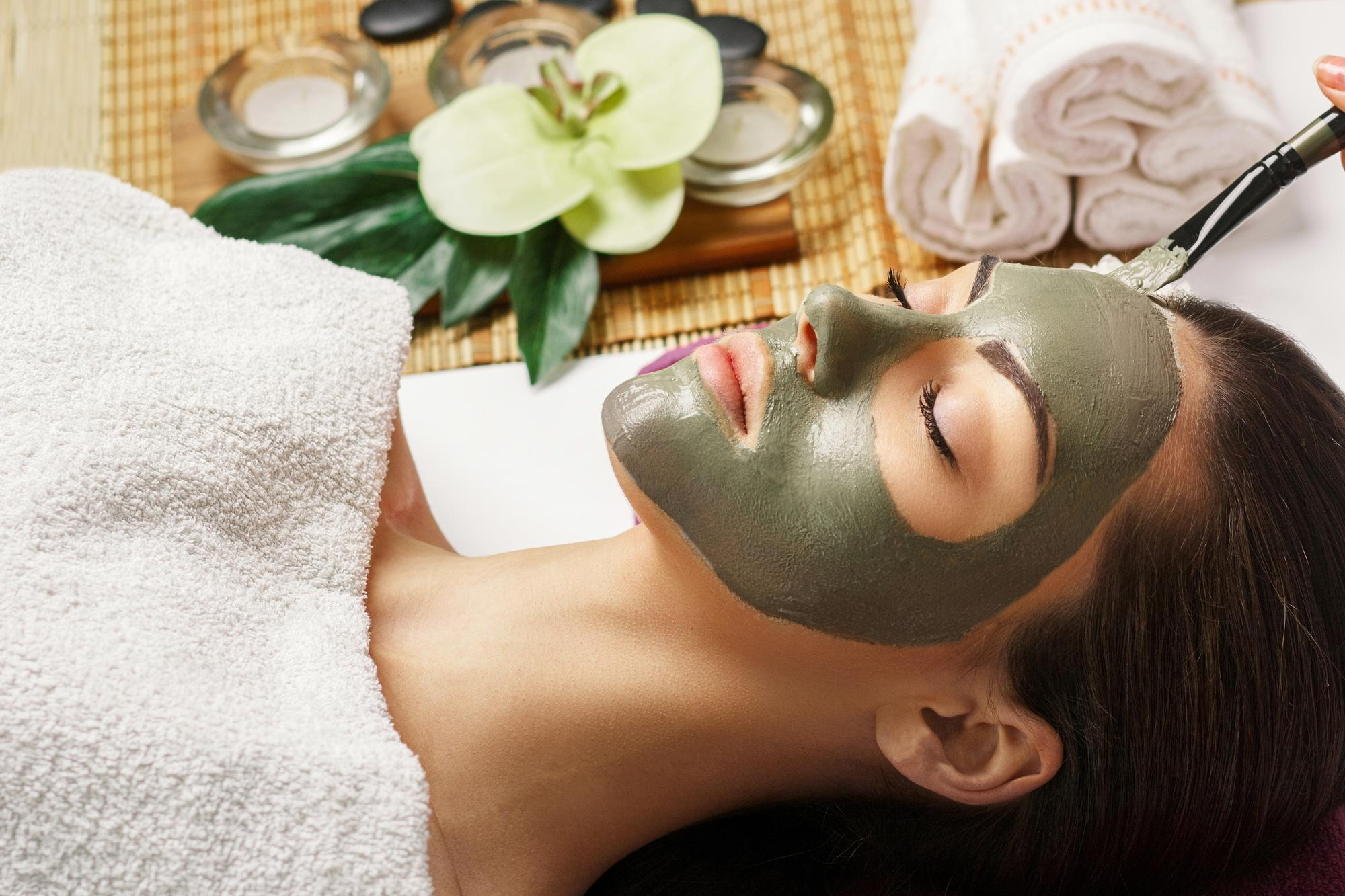
The switch is mostly about reactions, if we’re honest. People whose skin flares up after a facial start reading ingredient lists, and once they do, they rarely go back to the old stuff. We’ve watched that pattern play out at our organic day spa in Aspinwall since 2002, so it’s not exactly new to us.
Our founder, Eva Sztupka-Kerschbaumer, is a Hungarian Master Esthetician with more than thirty years behind her, and she built every protocol around what actually goes on the skin, not what the treatment happens to be called.
Our 17oils Medical Grade line is the same product our estheticians use in the room, nothing swapped out for the shelf version. Ask any spa whether you can buy what they just put on your face and see what happens.
That one question tends to separate the real thing from the marketing pretty fast. It’s part of why people now look for a leading spa in Pittsburgh instead of just picking whichever place is closest.
What People Are Actually Switching Away From
The story we hear most isn’t some dramatic disaster. It’s more of a slow accumulation, honestly. Someone books facials for a year at a chain location and sees a nice result for about three days each time, then the skin turns a little more reactive than it used to be.
Synthetic fragrance, harsh surfactants, and one protocol applied to every guest simply wear down a barrier that used to cope just fine.
Then there’s the sharper version, which is a bit harder to watch. A guest with rosacea, eczema, or real sensitivity has a bad afternoon somewhere and spends a week recovering from it.
Whatever was in that jar is not going near them again, and honestly, who could blame them. Those guests arrive with specific questions, and they deserve a facial customized for your unique skin, not a generic answer copied from the last guest’s chart.
What “Organic” Has to Mean Before It Means Anything
The word alone is worth nothing, if we’re being blunt, because nobody has to earn it before printing it on a window. What actually makes it mean something is whether a spa can name the line and hand you the bottle.
Ours is 17oils Medical Grade Skincare, cold-pressed and used in treatment before it ever reaches the retail shelf. Our estheticians know how it behaves on difficult skin, not just how the marketing describes it.
The same test applies on the technology side, maybe even more so. Our advanced treatments run on named systems from named partners: HydroFacial by NewbaSkin, MicroChanneling by Procell Therapies, and the PRX-T33 WiQo Italian Peel.
Every one of those names is checkable, and a spa that can’t produce them is asking for a lot of trust with very little to back it up. ESSpa and its employees do not perform medical treatments, and these services are not medical in nature.
The Hungarian Method Behind Our Facials
Eva learned traditional herbal practice from her grandmother in Apostag, Hungary, which is where most of this really starts. She trained under a Master Esthetician in Budapest, then studied the formulation side in Germany.
That sequence matters, because our protocols came from two directions rather than one. European technique tends to be slower and more manual than most American facials, and it sits on top of a working understanding of what the products are doing chemically.
In practice, the difference shows up as time and touch, plain and simple. Our facials run longer than the industry standard, because extraction, massage, and mask work aren’t rushed just to hit a turnover target.
Every new therapist completes in-house mentorship before they see a guest, no exceptions. That is how the method stays consistent across our full range of facial services, instead of living only with the person who created it.
BeautyWire Magazine named us the Top Training Program in America on the strength of that structure, which, honestly, felt pretty good to hear.
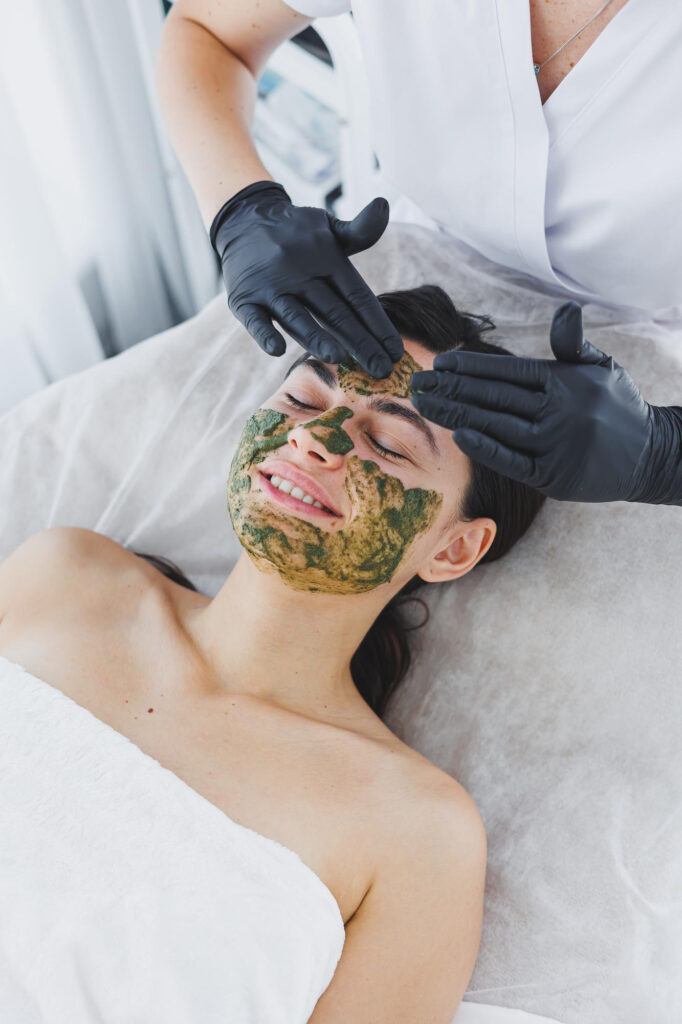
Noticed your skin reacting to something you’ve used for years without any trouble? Give us a call at (412) 782-3888, and we’ll help you figure out what changed before your next appointment.
What Happens in a First Organic Facial With Us
New guests are usually a little surprised by how much happens before any product even comes out. The shape of the appointment is consistent, though, and knowing it ahead of time makes that first visit a lot easier.
- Skin analysis and history. Your esthetician looks at your skin under proper light and asks what you use, what has gone wrong before, and what you actually want fixed.
- Cleanse and steam. Warm steam softens the surface, so anything that needs to come out can come out without force.
- Exfoliation matched to your skin, not to a fixed menu item, which is where most of the customization happens.
- Extraction, if your skin needs it. Some faces do, and some don’t, and we don’t perform it as a default just to fill time.
- Massage and mask, the longest stretch of the appointment and the part guests remember most.
- Finishing layers and a home plan, including what to stop using, which is often the more useful half of the visit.
The home plan ends up deciding whether you see anything lasting, more than the facial itself does. A single facial improves how your skin looks for a couple of weeks, which is nice but not the whole story.
Correcting two products you were using wrongly at home changes what your skin does all year, especially once you start asking about the best organic facial treatments for winter, when indoor heat undoes a lot of what a facial just fixed. Our estheticians would honestly rather send you away with a shorter routine than a bigger one.
Brow shaping often joins the same appointment, and trying waxing in fall is about the easiest time to start if you’ve been on the fence.
Who Sees the Biggest Difference After Switching
Reactive skin sees it fastest, often within one appointment, which still surprises some guests. If synthetic fragrance was the trigger, removing it produces a change you can feel by that evening.
Guests managing rosacea, seasonal eczema, or post-treatment sensitivity become regulars the quickest. The contrast with what they were getting before is obvious, not subtle at all.
The slower group is people with no particular complaint who just want better skin, which is a perfectly good reason too. That result compounds across a series rather than arriving in one visit.
It also depends on seeing the same esthetician often enough for them to actually track what’s changing. Our guests who’ve worked with one specialist for years get the best outcomes we produce, by a pretty wide margin.
How Often Should You Come Back
Every four to six weeks suits most skin, because that roughly matches the cell turnover cycle. Stretch it to twice a year, and each appointment kind of starts from scratch. Pleasant, sure, but not progressive. If you’re treating something specific, a shorter series spaced closer together usually comes first, then you settle into maintenance once things calm down.
Seasonal shifts are worth planning around too, more than people expect. Skin behaves differently in a damp Pittsburgh spring than it does in dry February heating, and the protocol that suited you in May probably isn’t the one you want in November.
That’s part of why booking with someone who actually remembers you matters, which is also why we ask you to rebook before you leave. November fills up early, which is also when a body scrub as a holiday gift starts moving.
Have questions about which facial fits your skin, or just want to talk it through first? Book an appointment, and we’ll help you figure out the right place to start. We’re open Monday through Thursday 10 am to 6 pm, Friday and Saturday 9 am to 5 pm, and Sunday 10 am to 5 pm.
Related Topics: