
The Benefits of Reflexology and Its Role in Spa Treatments
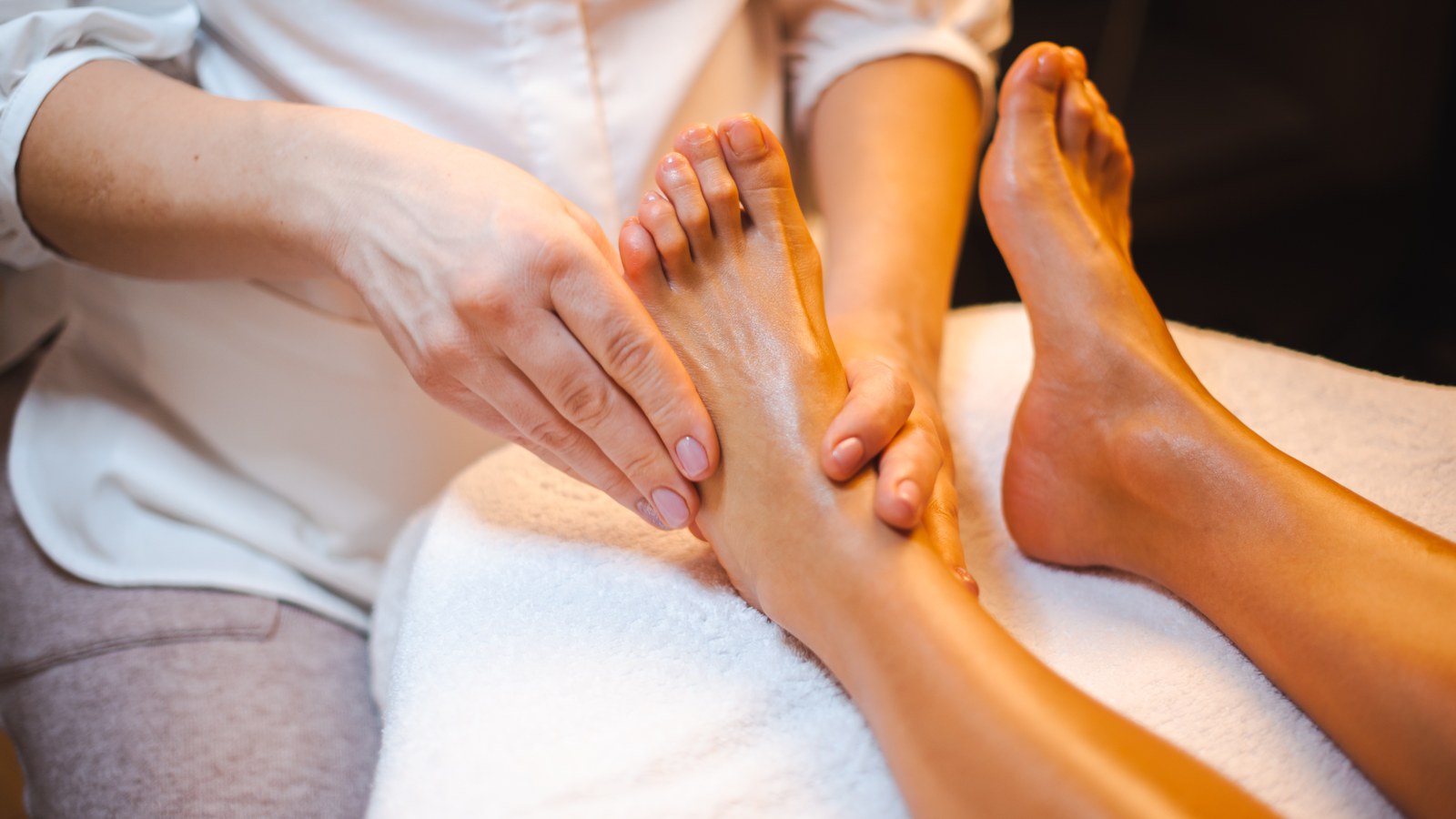
A reflexology session works through mapped pressure points rather than muscle tissue, which is why it stands apart from Swedish or deep tissue massage, and why more people have heard of it than have actually tried it. That’s worth changing, because reflexology addresses tension and recovery in ways other bodywork can’t reach.
Our massage team treats reflexology as a targeted, results-driven service, not an afterthought on the menu. It belongs in the same conversation as any other therapeutic treatment we offer, and for clients booking a relaxing day spa visit while carrying tension a massage table can’t easily reach, it’s often the more effective choice.
What Reflexology Is and How It Works
Reflexology is a pressure-based therapy applied to specific points on the feet, hands, or ears. Practitioners refer to these points as reflex zones, and different traditions map them in different ways: some link each zone to a specific organ or body system, while others, including the approach behind ESSpa’s signature reflexology experience, describe the zones as meridian points that carry the body’s energy. Both frameworks share the same core idea: pressure applied in one place is meant to influence function somewhere else in the body.
This is what separates reflexology from a foot massage, even though the two are often confused. A foot massage works the muscle tissue in the foot itself, while reflexology works through the mapped points to reach the body more broadly. A trained reflexologist works from that map during the session, applying intentional, targeted pressure rather than general relaxation strokes.
Setting expectations matters. Some points feel more sensitive under pressure than others, and clients expecting a standard foot massage are sometimes surprised by the precision and intensity of the work. Your therapist adjusts based on your feedback throughout the session, so the experience stays collaborative rather than fixed to a script.
| Reflexology | Foot Massage | |
|---|---|---|
| Focus | Mapped pressure points | Muscle tissue in the foot |
| Goal | Influence the body more broadly | Relax the foot itself |
| Technique | Intentional pressure from a reference map | General kneading and relaxation strokes |
| Best for | Systemic tension, circulation, stress response | Tired, sore feet after standing or walking |
The Physical Benefits Clients Notice Most
Clients report a handful of benefits consistently enough that they’re worth naming directly:
- Reduced tension throughout the body, including areas the therapist never physically touches
- Improved circulation and lymphatic flow, useful for anyone who sits or travels for long stretches
- Easier, deeper sleep after building reflexology into a regular routine
- A collaborative session where you can ask for lighter pressure or to skip a zone at any point
The tension relief is the one clients mention first. People who carry stress in the shoulders, neck, or lower back often feel those areas loosen during a session, even though the therapist never touches them directly.
The impact extends well past the point of contact, which is what makes the systemic effect worth taking seriously.
Sleep is the benefit clients notice more gradually. A well-executed session triggers a parasympathetic response, the kind that makes it easier for the body to downshift into rest. Clients managing tension-related sleep disruption often describe a meaningful shift after a few consistent sessions, more than after just one.
Ready to refresh your look? Call ESSpa Kozmetika at (412) 782-3888 to reserve a spot at our spa on Brilliant Avenue in Pittsburgh’s Aspinwall neighborhood, or add this service to your next facial or waxing appointment.
How Reflexology Fits Into a Full Spa Visit
Reflexology holds up as a standalone session, but it also pairs naturally with other treatments. Combined with a facial or an upper-body massage, it rounds out a visit into a full-body approach to recovery without overlapping what the other treatment already covers.
Sequencing matters during a multi-service visit. Reflexology tends to land best once you’re already relaxed, so our team typically places it toward the middle or end of a visit rather than the start, and adjusts based on what your body needs that day rather than a fixed order.
New to reflexology? Pairing it with a facial or massage you already know is a low-commitment way to try it without booking an entire appointment around something new. Call (412) 782-3888 and ask what pairs well with what you already have booked.
What to Expect During a Reflexology Session
A reflexology session at ESSpa in Pittsburgh runs 60 minutes, with the client fully clothed from the knees up, seated or lying comfortably. Your therapist uses thumbs, fingers, and knuckles to apply targeted pressure to reflex points in a structured sequence. The session is priced at $120.
Areas that feel tender under pressure often signal that the corresponding system is under some stress, and your therapist uses that information to decide where to spend more time. You can always ask for a lighter touch or to move past a particular point. A skilled therapist calibrates throughout the session rather than holding to a rigid plan regardless of your feedback.
Most clients describe feeling calm and alert at the same time afterward, without the heaviness that can follow a longer bodywork appointment. Drinking water afterward supports your body through the physiological shift, and giving yourself a little time before jumping back into activity lets those effects settle.
Making Reflexology Part of a Consistent Routine
One session addresses an immediate need well. The stronger results build from returning regularly, since the body responds differently to sustained input than to an occasional visit. Many clients fold reflexology into a broader wellness rhythm, alongside massage or facials, rather than booking it only when something already hurts.
Our massage therapists, Kat, Heather, Benjamin, and Amma, bring more than 100 years of combined hands-on experience to ESSpa’s massage menu, and they’ve been working with Pittsburgh clients from our Aspinwall location since 2002. Getting consistent results comes down to a team that tracks how your body responds over time, not just the appointment in front of them.
If you’ve been curious about reflexology but haven’t tried it, book a 60-minute session and tell your therapist what you’re hoping it helps with. They’ll adjust the session around it.
Frequently Asked Questions
No, though some points feel more sensitive than others depending on what’s going on in the corresponding part of the body. Reflexology should never cross into pain. Tell your therapist if any point feels like too much, and they’ll adjust the pressure or move on.
A foot massage relaxes the muscle tissue in the foot itself. Reflexology works through mapped pressure points with the goal of influencing the body more broadly, using intentional pressure from a reference map rather than general relaxation strokes.
There’s no fixed schedule, but many clients build it into a regular wellness rhythm rather than booking it only when something hurts. Ask your therapist for a cadence based on what you’re working through and how your body responds after your first few sessions.
Yes. It pairs well with a facial or an upper-body massage, and our team can help you sequence a multi-service visit so reflexology lands once you’re already relaxed, typically toward the middle or end of the appointment.
Our massage therapists, Kat, Heather, Benjamin, and Amma, provide reflexology as part of ESSpa’s massage menu. Between them, they bring more than 100 years of combined hands-on massage experience to every session.
Ready to refresh your look? Call ESSpa Kozmetika at (412) 782-3888 to reserve a spot at our spa on Brilliant Avenue in Pittsburgh’s Aspinwall neighborhood, or add this service to your next facial or waxing appointment.
Related Topics: