Waxing removes a layer of dead surface skin along with the hair, which makes it an exfoliating treatment as much as a hair removal one. That second function matters far more in winter, when cell turnover slows, skin thickens, and the flaking and congestion that follow are what most people actually notice under their clothes.
The cold months are also when waxing gets abandoned. Legs are covered, appointments feel optional, and clients drift toward shaving until spring. Skin tends to be worse for it by March, because shaving leaves the surface layer intact and adds razor irritation on top of dryness that is already there.
What Waxing Removes Besides Hair
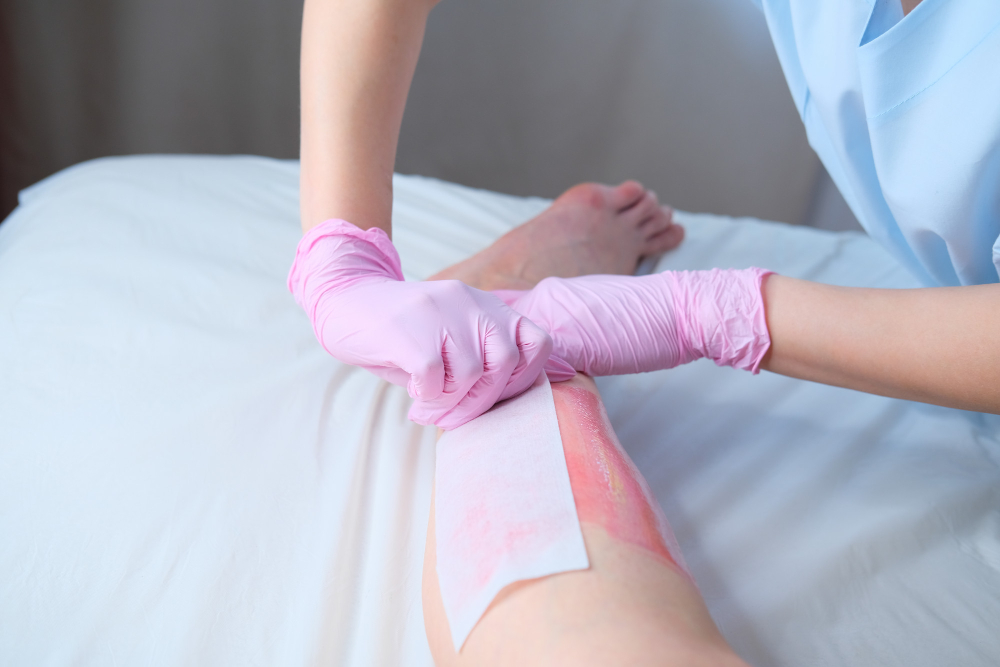
Hair comes out at the root, which is the part everyone knows. The wax also lifts the uppermost layer of dead keratinised cells as it is pulled away, so the surface left behind is smoother and more even than it was before. Products applied afterwards penetrate better, which is why moisturiser feels like it does more in the days following a wax.
Removing hair at the root also changes regrowth. Hair returns finer and softer than shaved hair, which grows back with a blunt cut end. Over repeated appointments, follicles produce weaker hair and some stop producing entirely, so the amount of work reduces over time rather than staying constant. The full range of waxing and hair removal services follows that logic, from brows through to full body.
Why Cold Months Change How Skin Reacts
Dry skin and waxing need careful handling together. A compromised barrier is more likely to lift unevenly, and more likely to sting afterwards. Hot showers, wool against bare skin and indoor heating all stack on top of that, which is why a technique that worked perfectly in July can feel sharper in January on the same client.
Our estheticians adjust for it. Skin gets assessed before anything is applied, wax temperature and type are chosen to suit the condition on the day, and areas that look too compromised get deferred rather than pushed through. Clients on retinoids or acid exfoliants need to pause those several days ahead, since both thin the surface layer and raise the risk of lifting. Tell us at booking if you have started anything new.
Waxing Compared With Shaving Through Winter
The two methods are not interchangeable, and the gap widens in cold weather, as our full look at waxing vs shaving pros and cons shows. Shaving is faster and free, but it cuts hair at the surface and drags a blade across skin that is already dry, which is a reliable route to irritation and ingrown hairs in winter.
- Regrowth window. Waxing lasts roughly three to four weeks. Shaving lasts one to three days.
- Hair texture. Waxed hair returns softer and finer. Shaved hair returns blunt and coarse feeling.
- Exfoliation. Waxing clears dead surface cells. Shaving leaves them in place.
- Ingrown hairs. Less common with consistent waxing. More common with repeated shaving on dry skin.
- Barrier stress. One controlled appointment versus repeated razor contact through the week.
Clients with reactive winter skin usually do better staying with wax than switching to a razor, as long as the wax suits them. We stock several European waxes for different hair and skin types, including a hard wax blended with tea tree oil and azulene that soothes skin as it works.
Keeping your schedule through winter? Call us at 412-782-3888, booking the same interval year round keeps regrowth consistent and makes every appointment shorter than the last.
How We Prepare Skin Before and After
Arrive with clean skin and no lotion or oil on the area, since both interfere with how wax grips. Hair should be around a quarter inch long, roughly two to three weeks of growth. Anything shorter will not come out cleanly, and shaving between appointments resets that clock, which is the most common reason a winter wax disappoints.
Afterwards, the first 24 hours are the sensitive window. Skip hot baths, saunas and gym sessions, and keep the area out of tight clothing. From day two or three onward, gentle exfoliation two or three times a week is what prevents ingrown hairs, and a fragrance free moisturiser supports the barrier while it settles. Clients with flaking across more of the body often turn to body wraps and scrubs, which apply the same approach on a larger scale.
Building a Winter Waxing Schedule
Consistency is what produces the results people associate with waxing. Three to four weeks is the standard interval, and holding it through the cold months keeps every follicle on a similar growth cycle, which is what makes appointments quicker and regrowth finer over time, and why fall is a good time to start waxing.
Let the calendar work for you. Clients with holiday travel or events often shift one appointment slightly rather than skipping it, and booking the next slot before leaving is the simplest way to avoid a three month gap that undoes the progress. If you have let the schedule lapse already, the first appointment back is just a reset, not a failure, and the cycle rebuilds from there.
Book your next wax before the gap gets long. Give us a call at 412-782-3888, holding a three to four week interval through winter is what keeps regrowth fine and appointments short, and new clients can claim a $20 certificate toward a first visit.
ESSpa Kozmetika is not affiliated with, related to, or endorsed by ESPA or E’SPA.
Related Topics: