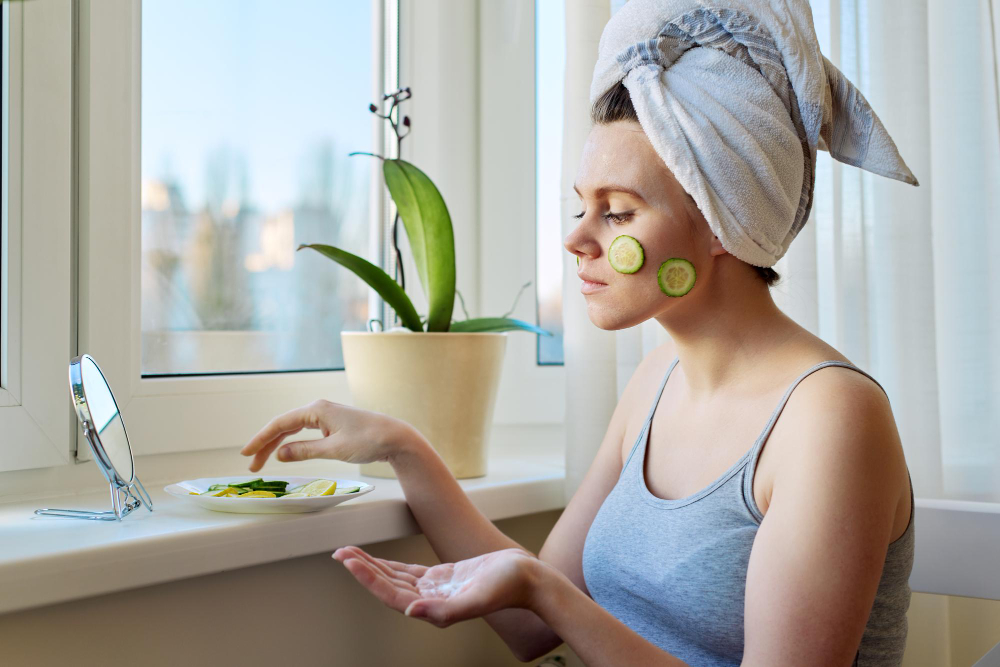
Dry skin in autumn is a barrier problem before it is a moisture problem. Cold outdoor air holds less water, indoor heating strips what is left, and the lipid layer that keeps water inside your skin breaks down faster than it rebuilds. Adding a heavier moisturiser on top of a damaged barrier treats the symptom and leaves the cause running.
We see the same pattern every year in Pittsburgh, usually starting in late October once furnaces come on. Skin that behaved all summer turns tight, flaky and reactive within a fortnight. The fix is a combination of professional treatment that repairs the barrier and a few changes at home that stop undoing the work.
Why Cooler Air Dries Skin Faster Than You Expect
Humidity is the driver. Cold air carries a fraction of the water vapour warm air does, so every time you step outside, the gradient pulls moisture out through your skin. Indoors is worse rather than better, because forced air heating drops relative humidity in a house well below what skin tolerates comfortably.
Your barrier is what normally stops that loss. It is a layer of lipids, ceramides and natural moisturising factors sitting between skin cells, and it degrades under cold, wind, hot showers and over exfoliation. Once it thins, water escapes faster and irritants get in more easily, which is why autumn dryness so often arrives alongside redness and stinging. The most effective facial services for dry winter skin treat the barrier directly.
Signs Your Barrier Is Damaged, Not Just Dry
Plain dryness feels tight and looks dull, and it responds to a decent moisturiser within a day or two. Barrier damage behaves differently. Products that never bothered you start to sting. Skin flushes after a hot shower and stays red longer than it used to. Flaking appears in patches rather than evenly, often around the nose and along the jaw.
The giveaway is reactivity. If a serum you have used for two years suddenly burns, the formula did not change, your barrier did. People with rosacea, eczema prone skin or a history of reactions at other spas tend to notice it first and hardest, and they are the clients who most often arrive here after trying to push through with stronger actives. Stripping back is usually the right move before anything else gets added.
Facial Treatments We Use for Winter Dryness
Treatment choice depends on how reactive the skin is on the day. Our estheticians assess at the start of every appointment rather than running a fixed protocol, because what suits compromised skin in January differs from what suits the same client in June.
- HydroFacial by NewbaSkin. Cleanses, exfoliates and delivers hydrating serums through vortex suction rather than manual extraction, which keeps mechanical stress low on already irritated skin, one of several hydro facial benefits that matter in winter.
- Hungarian organic facials. Our founding protocol, built on organic formulations handmade in Hungary and in Pittsburgh, with massage work that supports circulation and lymphatic drainage.
- CO2 Lift Pro. A gel based treatment that supports hydration and tone without abrasion.
- 17oils Medical Grade Skincare. Our retail line, used to carry barrier support between appointments rather than only during them.
- Gentler peel options. Reserved for skin that is dry but not reactive, and deferred when the barrier is visibly compromised.
What we avoid in deep winter matters as much as what we use. Aggressive resurfacing on a damaged barrier makes the problem worse, so DermaPlaning, MicroDermabrasion and stronger peels get rescheduled rather than pushed through. ESSpa and its employees do not perform medical treatments. Services are not medical in nature.
Not sure which facial fits your skin right now? Call us at 412-782-3888, our estheticians assess barrier conditions at the start of every appointment and adjust the protocol to what your skin can handle that day.
What to Change in Your Home Routine
Three changes do most of the work. Drop your shower temperature, because hot water dissolves barrier lipids faster than anything else in a daily routine. Cut active ingredients back to every other day while skin is reactive, particularly retinoids and acid exfoliants. Add a humidifier in the room you sleep in, which addresses the eight hours a night you spend in dry heated air.
Moisturiser timing matters more than price. Applying within a minute of patting skin damp traps water that is already there, rather than trying to pull it from the air. Occlusive ingredients go on last, and sunscreen still applies in winter, since UVA passes through cloud and glass year round.
When to Book and How Often Through the Season
Start before the dryness arrives rather than after. Booking a treatment in early autumn, while the barrier is still intact, means we are maintaining something rather than repairing it. Clients who wait until skin is cracked and stinging need more sessions to reach the same place.
Through the cold months, most people do well on a four to six week cycle, which roughly matches the skin’s renewal rate, though the right interval depends on which of the types of facial treatments you book. Clients with rosacea or persistent reactivity sometimes come monthly through the worst of winter and stretch the interval again in spring. Our Family Spa Membership covers facials with Eva across the full year for clients who want that cadence locked in without rebooking each time.
Book your autumn facial while the barrier is still intact. Give us a call at 412-782-3888, our estheticians will assess your skin and build the protocol around what it can handle, and new clients can claim a $20 certificate toward a first visit.
ESSpa Kozmetika is not affiliated with, related to, or endorsed by ESPA or E’SPA.
Related Topics: